Thursday, October 18, 2012


Sunday, June 6, 2010
Tashi Delek


I did not know what would lie ahead of me in Bhutan, but I did know that my decision was made with certainty. While I looked forward to sharing my knowledge as a physical therapist instructor in a developing country, I was especially intrigued by the mystery surrounding Bhutan. The prospect of living in a Buddhist kingdom at the foothills of the Himalayas was surreal. With intuition as my guide, I turned this prospect into my reality.
I feel so fortunate to have had the opportunity to spend time in this serene land with its gentle people. More than anything, I am so grateful for my life to have intertwined with the that of eight very special individuals ... while I taught them the scientific basis of evaluating and treating patients, they taught me that love is the foundation of healing. I helped them discover ways to study more effectively; they helped me discover ways to trek across mountains. I shared with them stories of my family and friends in America; they shared with me stories of their walks from the roadpoint to their villages. Many of my most treasured moments in Bhutan are those I enjoyed with my physiotherapy students ... Drukpa, Kinga, Sonam, Tshering, Lhakpa, Needup, Kuenzang, and Kinzang. They brought a smile to my face every morning, and a light upon my soul that will continuously shine.
Living in a remote country halfway across the world came with challenges, but being outside of the box is where the most growth can occur. In addition to my students finding a permanent place in my heart, the relationships I developed with hospital volunteers, co-workers, and locals blossomed into beautiful friendships, some of which I know will be lifelong. Walking through the Himalayan Hills deepened my appreciation of nature. Spinning prayer wheels at dawn gave me inspiration to continue on my path of spiritual study with greater dedication. What might life be like, if guided by the soul rather than the ego?
The dynamics of life are powerful, and again it is time for me to transition. Two new volunteers have arrived here in Bhutan. Their levels of enthusiasm are contagious and they have the biggest of hearts ... I know it is now their turn to serve as this country's physiotherapy mentors and experience the unique wonders of Bhutan. My journey will now take me to India to study at an ashram prior to beginning the next phase of my life in San Francisco. My time spent healing in the Himalayas was surreal. I hope to bring the magic of Bhutan with me wherever I go, and in whatever it is my heart leads me to do. Reflecting upon what the purpose was in coming to Bhutan as a volunteer physiotherapist instructor, I know there was not just one reason ... there were eight.
Thank you for sharing my life in Bhutan with me. Please email me at bernadeta@gmail.com if you would like to continue to follow the written tales of my travels to India and beyond. Tashi Delek (blessings and good luck).
Pictured above, from left:
My first year students - Drukpa (always with a clever smile on his face), Kinga (so gracious and humble), Sonam (so loving and graceful), and Tshering (so clever and hard working).
My second year students - Lhakpa (dedicated and compassionate), Needup (very smart and balanced), Kuenzang (so eager to learn and appreciative), and Kinzang (with such a sweet, gentle soul).
Tuesday, May 25, 2010
A Journey into Tranquility
Prior to leaving Punakha, we had stopped at a small roadside market to pick up ingredients for the weekend's meals. To feed 8 people over the course of 2 days and 2 nights, I think we were especially well prepared with the chili!

Having mixed nuts and raisins and sliced apples at home, I shared the responsibility of carrying healthy snacks in my pack for the weekend. The guys tied boxes and bags on their backs to haul 20kg of rice, soyabean oil, cheese, and fresh vegetables.

Following our treacherous drive followed by the rainy 1-2 hour walk to the guest house, the Bhutanese on the trip prepared dinner for the whole group on Friday evening (and insisted on doing so the entire remainder of the weekend, for that matter!) We enjoyed rice with cabbage salad, shamu datse (mushroom and cheese curry), and nakey (fern), each dish topped off with generous helpings of the chili:


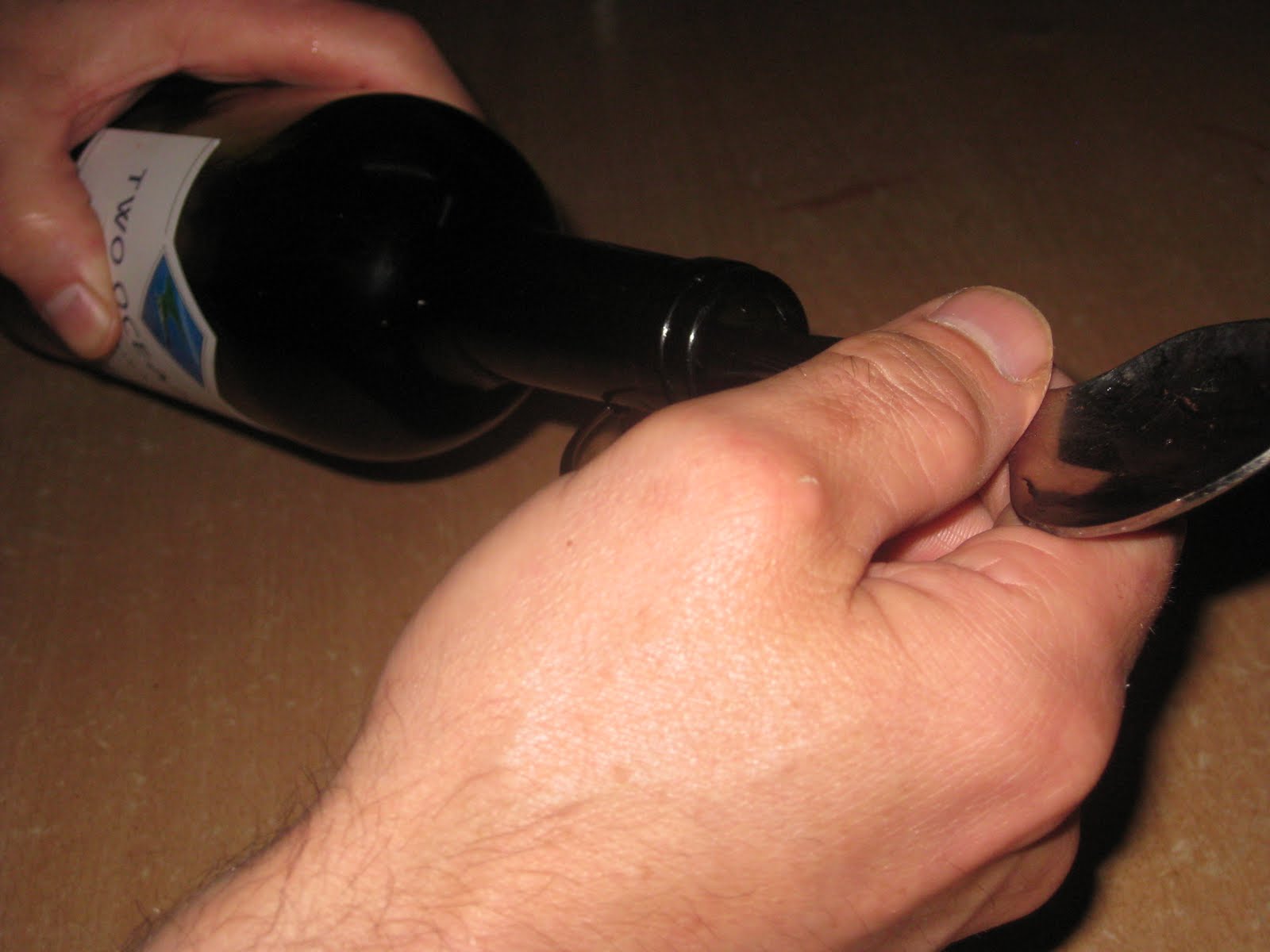
Wine was poured from bottles opened without the availability of a proper bottle opener. The task was accomplished. Imported from South America and Europe, I felt as if I were dining at a 5 star hotel!

Saturday morning we had tea and coffee at the dining room table prior to rice and nakey datse for a filling breakfast. Some people then went to take photos while others returned to the hot springs for one more dip.


As we continued our northward climb, little kids ran by us "on their way home from school". I was taken aback by this route they were taking, until remembering that there is no direct road to the district of Gasa. Being passed on the trail by horses carrying supplies and men carrying solar panes reinforced this. Again having established connections through hospital physicians that proved to be quite incredible, upon reaching Gasa we were taken on a tour of town and hosted for a homemade dinner by the dzongdag (district administrator).
The following morning we arose at dawn ... finding a quiet spot below trees to sit, I appreciated the silence around me and eventually began journaling my inner thoughts and impressions of the beauty surrounding me.

The next time I come to Bhutan, I hope I find myself in a peaceful place such as this ... in an area that can be reached only by foot, volunteering alongside the local Bhutanese to heal the villagers in this tranquil Himalayan land. This weekend, everything just seemed to have fallen into place to create an incredible weekend complete with great company, delicious Bhutanese food, and outdoor adventures. Everything seemed to have been auspicious.
Sunday, May 23, 2010
The Road to Gasa

An Auspicious Weekend: Part II
We were forewarned that the road to Gasa could be treacherous. Rain was in the weekend's forecast. A four wheel drive would be necessary to negotiate the muddy terrain, and the last 1-2 hours of the journey, which were to be accomplished by walking, were promised to be in the company of leeches. We thought about changing locations but pushed ahead. We had already been granted area permits for this region of Bhutan, and now even had a place to stay. Thanks to Roger, HVO Ortho Doc, connections with the right people at the right time were going to allow us to stay at the Royal Guesthouse in the Hot Springs area of Gasa ... originally the Royal Grandmother was to vacation there, but at last minute she cancelled her plans due to the projected weather. Next in line ... the American JDWNR Hospital volunteers!
Seated in an 8 passenger Bolero, early Friday afternoon we departed Punakha for Gasa. With mountains rising to our left and fields of wheat and chili descending to the right, we drove along on a nicely paved road. It seemed to be a perfectly clear, sunny afternoon, until suddenly, firm balls of ice were storming down from the sky and into the open windows of a car! It was a hailstorm! We caught the balls of ice, passed them around to one another to feel, and were just mesmerized at this mysterious act of nature we found ourselves caught in the middle of.
Some time passed, the hail disappeared, and the road turned to dirt. The curves sharpened and I had to hold onto the seat in front of me to keep myself stable. As we tackled the mountain, rain began to drop from the sky. We continuously looked across the valley to the clouds, waiting for the time we'd be above the source of our rain which was steadily turning into a downpour. Craning his neck to look up the mountain, our driver checked periodically for signs of a mud slide and trudged ahead. Several hours later, after the guys in our party cleared rocks to the side of the road to open up space to drive, pushed the car when it got stuck, and negotiated with our driver to stay with us and reach us to the end of the road point (at one time he stated he was just going to drop us off and we could walk several hours the rest of the way! How could he have possibly turned around on a narrow edge of a cliff anyway?!) we reached the end of the road point.
Careful of every step I took and getting past my fear of leeches sucking my blood along the way, I was guided by Ugyen (our driver, who decided to come along for the adventure!), the orthopedic technicians, and my own determination to stay up on my own two feet while negotiating this muddy path with a huge pack on my back (oh, did I learn my lessons about what to bring, or more importantly, what not to bring when backpacking!) Reaching the guest house that was confirmed to be ours for the weekend, the hot springs (the Great Outdoors' natural version of a jacuzzi bathtub!) couldn't have felt better. Again, what strokes of luck we came by to find ourselves safe and sound in this beautiful land!
Pictured Above: Willy, Pema, Samten, Roger, and Ugyen clearing the road for the car to trudge along through to Gasa.
Next Up! Relaxing in the Hot Springs and Forest Fern for Dinner
Thursday, May 20, 2010
An Auspicious Beginning


An Auspicious Weekend: Part I
The death anniversary of Lama Shabdrung Ngawang Namgyal, who in the 17 century unified Himalayan valleys to form the country of Bhutan, is celebrated with a puja. Having expired while meditating at the Punakha Dzong, this grand temple, which also served as a fort many years ago, marks the site of the annual religious ritual. As Shabdrung is considered one of the most important figures in Bhutanese history, his death anniversary is a holiday. Taking advantage of the three day weekend, Heather and I joined other hospital volunteers and co-workers for a trip out of town that was marked with one auspicious event after another. First stop: the beautiful valley of Punakha.
Friends I had made while volunteering at the Punakha District Hospital joined us for dinner Thursday evening. While having a drink at the hotel bar (got to have something to do while waiting 2 hours for dinner to be prepared!) Phuentsho casually mentioned that perhaps service was a bit slow because the staff was preparing for His Majesty's entourage to arrive that night. I was ecstatic! While His Majesty would not be slumbering in the same hotel as I, it was rumored he would appear at the puja the following morning. Phuentsho promised to call me the next day with his estimated arrival time. (It's a small world here ... people know people who know people who have some key information!)
Despite the luxury of the hotel bed, complete with soft sheets and a feather pillow, it wasn't hard to get up early Friday morning. After my walk and seated meditation by the river, I quickly showered, applied my makeup, and threw on some sweatpants and a tank. With a few of my best kiras in hand, I marched downstairs to Reception and kindly requested the woman at the front desk please help me get dressed (this was the first time I was hoping to wear a proper kira without my Bhutanese girlfriends nearby to dress me in it!) She chose what she thought to be the best kira for the occasion, whisked me into the bathroom, and ten minutes later, I emerged in traditional Bhutanese dress donned with just the right touch. Having planned ahead, I presented her with a small token of thanks I had brought along, and then joined the others to depart for the puja.
Crowds of men in ghos and women in kiras walked along the roadside to reach the dzong. Robes of red swayed in the gentle breeze as monks circled the grounds. Step by step over the historic bridge we crossed the merging point of the Mo Chhu and Po Chhu (mother and father rivers) to reach the Punakha Dzong.
Pujas were being held within the sanctuaries of the dzong. I joined the local worshippers in circling the inner perimeter, paying respects to the manifestations of the Buddha and saying my own prayers to meet the intentions I had set that morning. This day I dedicated to a very special patient whose lifetime had just ended, a woman I came to care for deeply despite only connecting with her on this physical earth for a very short while ... for her soul to be resting peacefully, and for her children to have the strength to find light in every day.
Bhutanese continued into additional rooms of the dzong where special prayers were being held, while my Western friends and I were politely requested to wait in the outer courtyard. Spiritual energy was abundant as prayers were repeated over and over, until one by one, all worshippers assembled in the courtyard.
Snap!
Snap!
A head monk in orange robes had appeared at the outer doorway of the main sanctuary. Repeatedly a leather whip by the side of his body was cracked, the harsh sound bringing monks out from every corner of the dzong. One by one the monks filed into the prayer room, and silence came over the crowd. Officials reminded us (with special attention paid to the foreigners!) that photos were now prohibited, and I felt myself rising up on my toes in anticipation of the arrival of Jigme Khesar Namgyel Wangchuck, Fifth King of Bhutan.
His Majesty entered the courtyard, walked through the aisle created by the crowd of a few hundred Bhutanese and seven foreigners, and turned back around at the top of the stairs to briefly connect with his fellow worshippers. Stepping into the sanctuary now filled with Buddhist monks, cymbals clashed, bells were rung, and prayers had begun.
Pictured above: 1) Myself, Karma, Pema, Phuentsho, Heather, and Marija outside the entrance to the dzong, 2) Monks filing into the inner sanctuary
Next Up: Friday night through Saturday continued to turn over auspicious events as we drove through mud, hailstorms, and pushed a Bolero along a windy edge of a cliff!
Beautiful Bhutanese


Saturday, May 15, 2010
Picknicking with the Physios

I have never seen a stroller in Bhutan. Babies are carried on the backs of their older siblings, parents, and grandparents everywhere they go. "Barra," my student, Sonam, told me this act was called. As soon as I arrived to the JDWNR Hospital Physiotherapy Department picnic, 3 women immediately carried Jitson over to show me how one day I should use a scarf to fasten a baby on my back!
Last minute planning is not uncommon in Bhutan. I learned about this picnic Sunday morning at 7:30am through a wake up call from my student, Lhakpa. "Madam, are you ready for the picnic? We've gathered here at the hospital." Am I ready?! Of course I'm not ready! I'm still in bed! Showered and dressed by 10:00am, Heather and I joined the other physios who overslept or were also unaware of the picnic until the morning of, and together we wound up the mountain to reach Hongtsho.
Stepping onto an open area of the forest that had been transformed into our picnic grounds, I quickly recognized why 7:30am had been the call time. Marking the center of our land, a pile of heavy stones supported the logs that had just been chopped off of the surrounding trees. Ablaze with fire, cauldrons were set atop our man made stove, boiling water fetched from the nearby river. People were in action everywhere! Kneeling over pages of newspapers, one physio set out slices of onions and chili while another chopped asparagus. Carrots and cucumbers were peeled, cut, and tossed into a bucket to mix together for a fresh salad. Aloo dum (potato curry) was in the making as people grated ginger, chopped garlic, and heated soyabean oil to richly combine the ingredients with a nice saute. Having been boiled over the fire, cha (tea) together with sweet biscuits were offered around as we chatted and prepared the lunch.
We feasted on a variety of traditional Bhutanese dishes. Some enjoyed beef curry, dried fish, and eggs hard boiled then fried, and others preserved vegetarianism with rice and vegetable/cheese curries. I was thankful to have been advised ahead of time to bring my own plates and cutlery, but could have eaten off of the lids to pots with my hands just like some of the Bhutanese!
As we picknicked, natural incense (branches of trees lit with fire) sent smoke signals into the sky "to keep God happy", and students chanted prayers to keep the rain away. The fire pit continued to burn, and music began to play. Tunes of rigzar (contemporary Bhutanese music) set the stage for the women to dance freestyle while the men stepped aside for games of rock throwing and football.
Giggling and taking silly videos of one another, we took turns leading dances prior to persuading the men to join us. Coming together in a large circle, rigzar was replaced by traditional Bhutanese folk music. Holding hands, we sang and danced the afternoon away. Translations of the songs revealed messages of karma, reincarnation and goodwill to all. Slowly the circle opened and we shifted over to the fire, where we closed it hand in hand. One by one, my co-workers took turns speaking and dedicating this celebration to Heather and me in recognition of our volunteer work at JDWNR Hospital. Sanga, Head of the Physio Department and baby Jitson's father, played a farewell song on his wooden flute marking the end of our picnic. The wind gently carried the tunes up into the sky, and serenity was within and all around me. It was then that I realized this was only the beginning of my lifelong connection to the country of Bhutan and her beautiful people. My darling students asked that I return to Bhutan someday, and suggested that I come with a baby on my back!
(Photo snapped by Sonam Wangmo).
Wednesday, April 28, 2010
The Art of Healing

Lhakpa Dorji
Monday, April 26, 2010
Painting with Style


Saturday, April 17, 2010
Blowing Prayers through the Wind

White prayer flags, appearing lilac in color now many years after being erected, surrounding a chorten in the marshes of the Phobjikha Valley

The tree serves as the center of the flags: Kharbandi Goemba

Blowing through the wind above Dochu-La

Mantras embedded within each flag

Horizontal and vertical flags at the base of the hills beneath a monastery
Sunday, April 11, 2010
"Are you Married?" Part II
A spiritual, hard working, muscular, outdoorsy man who is able to fix anything and everything describes a typical Bhutanese. Walks through the Himalayan hills set the stage for romantic evenings. Words were captivating ... "When you look at things with positive energy, everything is perfectly clear." What single girl wouldn't find herself mesmerized?! Was it too good to be true?
My wise American male colleague pointed out over a few Red Pandas one evening that some men may follow the examples their leaders have set. For instance, the 4th King of Bhutan is married to four sisters. While polygamy is no longer common, perhaps growing up under a ruler with four wives has influenced the thoughts and actions of many Bhutanese men. Could these be the ones I’ve been meeting?!
A middle aged dasho flirts with foreign girls out at the bars and his behavior becomes inappropriate ... he persistently calls and texts several times a day: Chances that he's married? Pretty high! A young man who claims to be single but later reveals his state of fatherhood with admitted frequent visits to his "sort of wife": Chances that he's doing more than visiting his child? I think so... A hot lawyer who is "not married" initially but later “in the process of divorce" and suddenly freaks out when realizing the foreign girl he's dating has local friends who are friends of his wife: Chances he's cheating on her? You tell me :)
Everyday I am surrounded by warm, caring male coworkers whom I have faith are devoted partners. My local girlfriends’ brothers, friends, and husbands are good guys with hearts of gold. This world is so small and karma works its ways. I know that there is a spiritual, hard working, muscular, outdoorsy man who is able to fix anything and everything (or something of the sort!!) meant to appear in my life one day. Dating in Thimphu has been fun, entertaining, and enlightening. And the biggest question of all, "Are you married?" It's my turn to ask!!
Thursday, April 8, 2010
Welcome to Bhutan, Stanley!

Druk Air Flight KB123 landed at the Paro International Airport on Saturday, the 13th of March. Having been given the privilege to go through Customs as an official guest of the Ministry of Health, Stanley was one of the first to step off the plane and enter the Land of the Thunder Dragon. Silently expressing gratitude to the dasho ("noble man") who had signed off on his visa application just eight days prior, I was happy to welcome my big brother to the Kingdom of Bhutan!
Having lived in developing countries for many years himself, Stanley knew exactly what he could bring over to Bhutan to make me one very happy girl. My eyes widened as he pulled the items out of his suitcase I no longer take for granted ... Starbucks instant coffee, organic granola, dental floss, ziploc bags, and a plastic container with a secure lid!
Stanley and I enjoyed daily life in Thimphu together. We walked down to the river to shop at the Weekend Market for fresh vegetables, fruit, and handicrafts. Our afternoons were spent reading and writing at local coffeeshops or enjoying walks through the Himalayan Hills. At monasteries we had our questions about Buddhism answered by the monks in residence. We took my students out to a Western style restaurant for dinner (we ordered pizza; they ordered fried rice!) and Stanley answered several of their questions regarding the inclusion of Gross National Happiness in his International Peace Studies Master's Degree program at the International University of Japan. We explored Thimphu nightlife at the Om Bar and had a dinner party for mutual friends of friends (leave it to my brother to have friends all over the world!)
It was so great having his company here in Thimphu, and I also looked forward to travelling through Bhutan together. Stanley joined me on my trip to Punakha, where he was welcomed as a guest to the District Hospital and immediately given the opportunity to meet the administration and go on a tour. After duty, led by our new friends from the hospital, Phuentsho and Karma, we took a long walk through the peaceful valley. Across rivers and over suspension bridges we were surrounded by fields of rice paddies at the base of green hills. Monks of all ages crossed our paths, as at the junction of the Mu Chuu and Pu Chuu (male and female rivers) sits the grand Punakha Dzong, or the "Palace of Great Happiness". Stanley and I were invited into our friend Pheuntsho's home, where a delicious homemade Bhutanese meal was prepared for our lunch just prior to our departure.
We returned to our daily routine in Thimphu (actually, I skipped our trip to Bumthang, the holiest site in Bhutan ... given that Stanley got quite sick and could do no sightseeing, there's just not a whole to mention!). So back to Thimphu, where a few days rest and homemade meals brought back good health!
We were fortunate to be in Bhutan at the time of the annual Paro tsechu. I donned one of my best kiras, and 5 Bhutanese boys dressed Stanley in a gho at the stalls outside of the Weekend Market. Along with my friend and fellow HVO volunteer, Heather, we took a 1 hour taxi ride to Paro set to beats on tape of Celine Dion and Michael Jackson! Upon arrival to the festival, we joined locals wishing for blessings and tourists wishing for cultural lessons and colorful photos. Bhutanese dressed in elaborate costumes complete with masks told stories through dances in the outside courtyard of the dzong. The inner courtyard and sanctuary are often closed to foreigners, but my status as a hospital volunteer paid off as were immediately welcomed with utmost respect. Inside, a monk befriended Stanley and casually fixed every wrinkle that had formed in his gho. He then turned his attention to me, instructing me in how to better hold my kira when descending narrow, wobbly stairs. For a moment I was confused and perhaps even a little put off by a man telling me how to hold my skirt, but I quickly realized I was much less likely to trip when applying his technique. Stanley gently pointed out to me that this monk negotiates the uneven terrain in a skirt everyday!
For the first time in my life, I'm happy to say that I was able to translate for my very linguistically accomplished brother (“Ama, par chi tabgaymay?” which I hope translates from Dzongkha to English as: “Mother” (casually used for any woman) “Can I please take your picture?”) and I hope that I was able to host him just as well. As the Bhutanese would say, “I think he enjoyed his time in Bhutan.” Having family share this experience with me was invaluable (and logging onto Skype together we were able to share it even further with our sister, parents, and aunt!) Kadinche La Stanley! I had such a great time.
Saturday, March 27, 2010
Saturday Evening Cooking Lessons

Joining my friend Simran for the preparation and enjoyment of homemade dinners has taught me the essentials of Bhutanese cooking. I'd like to share with you the recipes for a few of my favorite dishes: red rice, eggplant curry, shamu datse, and ezay. Careful of the chilis!
Red Rice:
Grown in the Himalayan valley, this short grain rice is high in protein and fiber. After purchasing the rice from a large bin at the market on Saturdays, I regularly prepare red rice as a staple for many of my dinners and even a few of my breakfasts. If I could transport more than 20kg back on my Druk Air flight, these local grains would be in my bags!
1 cup rice: 1 cup water
Cook in rice cooker for ~20 minutes
Eggplant Curry
Together in a wok, combine:
- A few spoonfuls of soyabean oil
- A bit of diced red onion
- A few chopped garlic cloves
- A few eggplants cut into small strips(I like the really narrow shaped eggplant, but have never seen these in the U.S. The Japanese version might be nice)
- Just a bit of chopped tomato
- Green chilis to taste: Chop into small pieces for the spiciest version, or cut in half and remove the seeds for just a little heat!
- A few spoonfuls of water
- Salt to taste
- On a light heat, cover and allow the curry to saute until the vegetables are tender. (For extra protein, I added in tofu at home, as pictured above).
Shamu Datse
"Ema Datse", or "Chili Cheese" is the most common and traditional of all Bhutanese food. Likely because of the natural growth of chilis throughout the country and ease of procuring cheese from the local cows, this dish is often all that is available out in the villages. I have come to love the homemade version of "Shamu Datse", where mushrooms are added to this Bhutanese staple.
- In a pot, combine a bit of onion and garlic with your favorite mushrooms and add a few spoonfuls of soyabean oil.
- Fill the pot with water just until the vegetables have become nearly immersed.
- With a lid on, boil until the vegetables are nearly tender.
- In the last 5 minutes of the cooking, add chilis and cheese (best to use the outer portions of the datse) and continue boiling.
Local cheese from the local cows is used for this dish in Bhutan ... I'll definitely be experimenting with alternatives in the States!
Ezay
This cheese and chili salad is a nice complement to any meal.
Chop finely:
- a bit of red onion
- a bit of garlic
- roasted chilis (red or green - can roast them just over the fire of a stove)
- tomatoes (also tasty if roasted)
Mix together, and add fresh cheese (the inner portion of the datse is best) and salt to taste. Serve immediately.
The main principles of Bhutanese cooking are simplicity and just "knowing" how much of each ingredient to use rather than measuring ... So experiment and enjoy! Would love to hear how your dishes turn out!
Tuesday, March 23, 2010
Healing in a District Hospital

I have been blessed for many years with an exceptionally talented physical therapist mentor. She provides her patients with just the right amount of challenge while guiding their movements in ways to instill confidence. Regained walking patterns, ability to reach for objects, and a newfound faith in themselves is the result. She encourages her students to find ways to provide patients with these "aha" moments ... moments when the patients experience that that they have performed a movement correctly, and if repeated in that fashion, will help them reach their goals and attain higher quality of lives.
I think I had my own "aha" moment while volunteering my services at the Punakha District Hospital. I found in Phuentsho, the one physiotherapy technician at this 40bed hospital, a burning desire to learn fueled by compassion for others. We saw several patients, and together I believe that each one is one step further on the road to their emotional and physical recoveries.
I've always had a soft spot for the elderly, and the patient in Bed A of the Intensive Care Unit stole my heart. Frequently admitted to the hospital for respiratory problems, Phuentsho has come to know this patient well. The patient looked quite pleased upon Phuentsho's arrival to the Unit, and reported compliance with the exercises Phuentsho had prescribed to aide him in his breathing capabilities. He reported that his family was coming to take him home, and he would be able to continue on his own with the physiotherapy.
A beautiful young woman entered the physiotherapy gym, heavily supported by the two nurses aiding her. Phuentsho and I reviewed the physio referral: "Inability to Walk due to Emotional Distress." During the subjective interview, we picked up on signs suggesting the possible presence of a psychiatric emergency. Discussing our findings with the head nurses, they came to agree with our findings. We requested the patient be transferred to Thimphu, where the 2 psychiatrists in Bhutan are posted. The nurses stated that every moment of the day, they are making the effort to demonstrate to her how much she is cared for and loved. Eventually she can be transferred to Thimphu, but what she needs now, is love ...
Originally from Nepal, a middle aged man was admitted to the hospital over one year ago. Given that this patient has no family in Bhutan, the Punakha District Hospital has allowed him to remain in the hospital as long as necessary, with government allottments and international donations funding his stay. With a progressive decline in his ability to walk, the patient now spends the majority of his time lying in bed. MRI and CT, imaging tests often used to aide in establishing diagnoses for patients, is unavailable outside of Thimphu. Upon presenting this patient's case to me, Phuentsho reasoned that he must have a cerebellar disorder due to intact strength with poor balance. We discussed additional tests he might perform to further aide in the diagnostic process, which would then target his treatment and help determine the patient's potential for recovery.
Observing Phuentsho's interactions with his patients renewed my own dedication to my physical therapy practice. A technician with less than one year of experience who has been working 100% independently since graduation, Phuentsho's patients are in extremely good hands...
Monday, March 8, 2010
The Hike to Tiger's Nest


Said to have flown in on the back of a tigress, Guru Rinpoche, the 2nd incarnation of Lord Buddha, meditated in a cave at the site of Taktsang Goemba to subdue a demon and attract goodness into the world. Today, individuals seeking spiritual enlightenment or a steep hike with spectacular views of the Paro Valley come to Taktsang Goemba, also known as the "Tiger's Nest". Hugh, Kathleen, and I were led the 950 meters up the trail by Sonam, our Bhutanese Guide. Along our ascent we passed women selling Buddhist relics displayed on blankets set out on the earth, prayer wheels spinning by the force of wind and waterfalls, and horses carrying supplies to the monks in residence. A wooden teahouse served as a peaceful respite halfway up the mountain, and with tourists from America and Malaysia we traded our impressions of our stays in Bhutan. Upon continuing up the mountain and reaching the 750m mark, as warned by individuals who had previously hiked to Taktsang, the trail transitioned from a reliable path into a series of windy, steep stairs along the edge of a cliff. Along the remainder of this stretch, I could only focus on placing one foot over the next until suddenly, with relief, I found myself in front of the magnificent monastery. Opened to foreigners only in 2005, I felt honored to enter the inner sanctuary. In front of the Buddha of Infinite Light, I engaged in the acts of prostration and consumption of holy water with local worshippers. Deep down I had the feeling that I had been here before...moments such as these, I know I was meant to come to Bhutan.
Tuesday, February 23, 2010
Sleeping Bags, Nightclubs, and Sacred Rituals

Perhaps nowhere else in the world could a weekend include dancing at nightclubs, slumbering at a farmhouse, and witnessing sacred dances performed inside a Buddhist temple ... my weekend in Punakha with a few of my favorite Bhutanese girlfriends did just so!
Thinley picked me up Friday at 5pm, and with two bags packed for one night (refer to "Travelling through the Backroads of Bhutan" for the list justifying my two bags!), we headed across town to pick up Yiki. Stopping for gifts of tea, sugar and biscuits for our hostess, we set out for our drive up and across the Dochu La Pass to lead us down into the Punakha Valley.
"Do you want to go out in Punakha town tonight Detta?!" Already having had to ask Thinley to pull over on the side of the road so that I could avoid puking in her car (note to self ... I am not yet used to the windy roads in Bhutan and I do need to continue to take dramamine every time I step into a moving vehicle...) I couldn't possibly imagine going out! I did my best though to keep an open mind while focusing on my breathing and listening to the soothing sounds of Tracy Chapman. I also couldn't help but wonder what kind of "going out" we might find in this Punakha town knowing we were staying at Yiki's aunt's farmhouse ...although sick to my stomache, I was intrigued!
We arrived three hours later to find we had to park a bit far away. I took one step at a time on the trail from the roadpoint. I practiced walking meditation and with each breath, my feelings of health and wellness gradually returned. With that came confidence as we negotiated a make-shift ladder and log placed above a small ravine in the pitch black of night. After fifteen minutes of walking, we had safely arrived to the farmhouse in the warm and fertile land of Punakha. Yiki's auntie graciously served us tea followed by a dinner of rice, shamu datse and ezay complemented by the nutritional delicacy of whey. After dinner, we were on our way out for the night!
Escorted down the trail by a young man also going out into town, we were guided by him and his friends to the new club. The guys went to play snooker, and Yiki, Thinley and I entered the club. While the ambience was awesome, we hesitated and then laughed a bit when we saw there were only three other people in the club! Deciding to check it out anyway, we ordered our drinks and over hip hop and electronica, pretended to converse with the other patrons of the club under the pretense that I understood Dzongkha. We tried to take pictures of the red and green strobe lights projecting images that appeared to form rotating galaxies on the floor but were unsuccessful. We then just danced by ourselves until the lack of social company drove us to move onto the other club in town. Entering the main bar-cum-club in Punakha town with our drinks from the first bar in hand, we talked our way into free admission to the club and this time found no one!! After sitting for a few minutes, we decided that if it's going to be just the three of us chatting or dancing, we may as well just be back home in our pajamas.
And so back along the trail and to the farmhouse we went! After painting our nails and laying out our sleeping bags, we slept until the early dawn.
I stepped out of our sleeping quarters and was amazed at the sights in front of me. Having arrived in the dark, I had no idea that I was staying in one of the most beautiful places I've ever been. Green rice paddies at the edge of the farmhouse stretched to the base of the nearby mountain hoisting vertically placed white prayer flags. Pale yellow poinsettia trees lined the path from our sleeping quarters to the outhouse. Cows roamed the fields where eggplant, tomatoes, and mushrooms grew. The natural environment surrounding us provided our meals which consisted of some of the freshest tasting rice, vegetables and cheeses I've ever tasted. I was in one of the most environmentally pristine places on earth.
After taking turns showering with buckets of hot water mixed with the cold running tap, we began the process of donning our kiras. Having chosen to wear my best kira, which is not tailored as a "foreigner fit" but requires complicated ties to ensure proper wear, Thinley and Yiki got themselves ready and then together dressed me. Savoring the moment of being in this beautiful land hosted by such a gracious Bhutanese woman, I said good bye and Kadinche La (thank you) to our hostess. With one hand holding up our floor length kiras and high heeled boots donned, an hour and a half later than we had promised ourselves (what to expect when three girls are getting themselves ready in the morning?!) we traversed the path one more time to reach the road that would lead us to the Punakha Dzong. (http://www.bhutantoursandtravels.com/pages/show/_14_punakha.htm)
Crossing the bridge and cautiously climbing the vertically aligned steps leading up to the dzong, I entered one of the most sacred houses of worship in Bhutan. As we walked through the courtyard into the inner sanctuary, we discovered that the Domchen was just beginning. Amidst butterlamps and relics of the Buddhas, the most sacred dance of the festival had commenced to the sounds of deeply ringing bells. Deep down I felt that this must be one of the many magnificent ways of connecting the earth to the heavens ...
Prostrating and asking for healing and peace while also giving thanks for my presence at this holy dzong, Yiki, Thinley and I departed the gorgeous valley of Punakha and returned safely home to Thimphu.
Tuesday, February 16, 2010
Celebrating the Losar

Celebrations of the Bhutanese New Year began with butter tea and sweet rice. The Buddhist altar was adorned with biscuits and candies in addition to the traditional butter lamps and incense. I felt so honored and grateful to be able to join my co-worker and her family as they rang in the New Year together. The twelve hour celebration marking the beginning of the Year of the Iron Male Tiger was centered around spending time with family, ensuring that offerings of food and drink were plentiful in order to stave off any hunger or thirst in the upcoming year. Sudja (butter tea) and sweet tea were alternately served throughout the day. Traditional Bhutanese dishes were enjoyed for breakfast, lunch, and dinner at various family members' homes in town. Between meals, children played video games, teenagers went bowling in town, adults chatted, and the popular Bhutanese card game of "Marriage" was played. I joined the teenagers for bowling in the afternoon, and it's a good thing I broke 100, because later on I failed miserably at the game of Marriage with the adults!
The day gave me such an incredible opportunity to experience the celebrations of the Losar so intimately. There were moments during the day's gathering that a certain activity (such as the young children playing games with their aunties) or food (such as the biscuits that looked and tasted nearly identical to the Lithuanian ausukes my family prepares every Christmas Eve) made me so reminiscent of home. As time has gone on, I've become more and more aware that one of the most influential teachings I seem to be taking from the Bhutanese culture is the importance of family. I know that my time spent physically away from family and friends while in Bhutan is actually meant to strengthen my relationships upon my return to the States, and for this, I am so very grateful.
Happy New Year! Tashi Delek!
Monday, February 8, 2010
"There was a foreigner here once before ..."


A day's journey brought me to the town of Gelephu, where a 60 bed regional hospital serving the population of Southern Bhutan was the site of my students' 2 week long clinical affiliations. Stepping off of the Bumpa Coaster without a clue as to where I'd stay that night or how I'd find my students or the hospital the next day, I discovered that a 2 minute walk oriented me just fine to this small town. I checked into a hotel and sat down with the owner to enjoy a cup of coffee and offer my advice regarding his father's recovery after having suffered a stroke several months back.
The following morning I was welcomed to the Gelephu Hospital with warmth and a bit of wonder. Travel to this region of Bhutan was opened up to foreigners a few years ago, but history of political unrest, conflicts with neighboring India, and a lack of tourist attractions has kept nearly all ex-pats and tourists away. However, my week in Gelephu was full of some of the most rewarding experiences I've had thus far in Bhutan. Together with my students, I evaluated and treated patients with diagnoses and clinical presentations I was very familiar with. I taught my students techniques to reduce shoulder pain in a middle aged woman from a nearby village who had sustained a stroke, and my students taught me how to use a simple scarf to function as an arm sling (note to all the PT's out there: try this! Scarves can easily be tied over the arm to give support, but even more importantly, maintain scapula retraction and humeral external rotation ... economical and much more effective than a givmor!). However, I was also faced with the challenge to work on patient cases I had never seen or heard of before. I was stumped when two young women entered the clinic, heavily aided by their husbands and walking sticks, with diagnoses of "post-partum neuropathy" lending to the inability to walk following labor and delivery. Evidently this is a condition not uncommon to Bhutanese women, and my research regarding possible causes of it has begun in earnest.
The time I spent treating the local villagers with my students was productive from a clinical standpoint, and I was grateful to have bonded with them on a personal level as well. One day after work they showed me to the town's main attraction, a fishing pond complete with a piggery. I felt a profound sense of peace as the sun was setting, being surrounded by the beauty of this land and having been given the opportunity to get to know my students on a deeper level. We talked about our personal lives and perspectives on various issues in Bhutan and America. Caught in the middle of apprecation and struggle though, I couldn't stave off the repeated question going through my mind ... "Bernadette, what are you doing at a fishing pond that could be full of mosquitos in a malaria infested area when you are not on malaria pills?!" I guess I'm still working on how to be at ease and let things go ... or, am I warranted in just asking myself logical questions???
My last afternoon at the hospital was spent enjoying tea and cake with the physiotherapist and hospital administrator. "There was a foreigner here once before ..." they mused, but without being able to recall any additional details, officially thanked me for being the first foreigner to volunteer my time at the Gelephu Hospital. I was invited to return, and if I can find some malaria pills, then I just may! Despite the lack of hot water, bugs in the hotel rooms, and difficulty digesting food from the local restaurants, the opportunity to treat these patients in Gelephu would undoubtedly make this experience worthwhile once again.
Thursday, February 4, 2010
A Weekend with the Black-necked Cranes

Could it have been auspicious? As I entered the Phobjikha Valley, the black-necked cranes were circling the sky above me. To escape the brutally cold winter in Tibet, these cranes migrate south in the late fall. Villagers believe the arrival of the cranes is of spiritual significance. Perhaps this is because the birds have traversed the same path across the Himalayas that Guru Rinpoche did centuries ago to bring Buddhism into Bhutan, or perhaps this is because the cranes circle the Gangtey Goenpa (a large monastery perched on a hillside) three times prior to making their annual descent into the glacial valley.
My stay in the Phobjikha Valley was intimately peaceful. At the Guest Information Center, lodging was provided. The caretaker created a dinner of red rice, dahl, and mushroom and cheese curry with the ingredients we purchased out of a family's home a half hour walk up the hill. The meal tasted so wonderful that I knew the preparation must have been infused with genuine TLC. Bundled in five layers, wondering how this Bhutanese valley at 10,000 feet could possibly serve as a winter migration area, I slept on and off until dawn. At this time, there would be a chance to see the dancing of the cranes. Having slept as a herd in the marshlands, I observed the cranes pair up as a couple or a family (upon finding one another, a male and a female crane remain together as a pair for life) to begin another day's set of flights within the valley.
So long as I kept a slow pace with a quiet tread, tracing the perimeter of the valley brought me in closer view of the cranes. Balancing on logs across the marshes and finding my way heel-toe through the narrow pathway within the shoots of bamboo, I discovered that the valley is inhabited by cows, horses, sheep, hawks, trout, larks and butterflies. All appeared to live harmoniously with one another, although danger of the cranes' interactions with the hawks and a snow leopard (which fortunately I did not have sight of) makes these birds now vulnerable creatures. And while surrounded by magnificent elements of nature, I am discovering that a hike in Bhutan may not be complete without a visit to a temple. Stepping inside to observe the statues of Buddha and wish upon a butterlamp, the residing monk explained to me that this temple I was in and the chortens I had seen along the way have been in existence from the 15th century. I had come halfway around the valley.
Upon returning to the Guest Information Center and enjoying afternoon tea and biscuits, my world became a bit smaller when I met the only other chillup in the Phobjikha Valley ("chillup" is an affectionate Bhutanese term for a foreigner) ... a woman named Mary from San Francisco!
Tuesday, February 2, 2010
Travelling through the Backroads of Bhutan


Oh, the lessons I've learned!
What to remember to pack the next time I depart Thimpu:
1) Slippers for the shower - Absolutely essential if there is a shower!
2) Sleeping bag - Hotels are not always available ... while alternative accomodations do exist, a sleeping bag would make those nights much more comfortable!
3) Hiking boots (even if not planning on going hiking) - "The loo situation" on a ten hour coaster ride from Thimpu to Gelephu requires that passengers explore the great outdoors. A lovely woman on the bus pointed me in a direction where I might find some privacy. Upon my first few steps down the mountain, I immediately found myself on my rear end sliding down into a pile of rocks! Bright red, I hoisted myself up and noticed the laughter at myself became a chorus, joined in by the chuckles of the women around me. Oh, as if I hadn't already stood out enough before falling down the mountain! Next time ... hiking boots for the journey in order to stay on my two feet!!
What I did well to prepare for my roadtrips through Bhutan:
1) Eyelash tinting! That $6 service on Kao San Road during my 16 hour layover in Bangkok was the best thing ever. For a girl who doesn't like to leave the house without a full face of makeup, "permanent" mascara is helping this girl become more and more outdoorsy.
2) Packing only one kira - Why wear a different kira everyday? Gotta travel lightly unless you want to store your bags on top of the bus!
3) Sense of humor - wouldn't survive without it!!! Travelling through the backroads of the Himalayas is the most surreal experience ever ... despite the challenges an American girl might face, this girl's gonna keep at it!